Match Your Routine to the Right Pod Espresso Machine
By Aisha Khan • 22nd Oct
When your pod espresso machine fades into the background of your morning instead of dominating it, that's true success. After years stress-testing gear in real homes during peak chaos, I've learned that matching machine to routine isn't just advice, it's survival. The best tools vanish while delivering what matters: coffee that fuels your day without adding friction. Forget wattage wars or hype; let's build a system that actually fits your life.
Audit Your Morning in 90 Seconds
Before comparing models, map your actual routine using time-stamped steps. This isn't about ideal mornings, it's about reality. Grab your phone timer tomorrow and track:
- Your hard window (e.g., 6:45-7:05 AM before school/work)
- Critical path tasks (e.g., "6:50: Pop pod in while toddler eats")
- Tolerance zones (e.g., "Max 5-second noise spike after 7:00")
Less fiddling, more sipping, your morning deserves frictionless espresso.
I watched a parent lose 90 seconds daily wrestling with a loud machine that demanded rinsing between pods. That's 15 extra hours of stress yearly! Pro espresso machine for home claims mean nothing if it clashes with your time-stamped reality. Ask:
- If my routine demands coffee before 7 AM, then noise below 55 dB is non-negotiable
- If I make two drinks back-to-back, then repeat-cup speed beats single-shot perfection
- If cleanup competes with school drop-offs, then dry pucks and sealed drip trays win
This espresso workflow planning prevents buyer's remorse. A single-person household might prioritize speed for solo shots, while families need repeat-cup consistency. CR testing confirms pod brewers excel when matched to actual usage patterns, not marketing specs. If you're torn between pod ecosystems, our Nespresso vs Keurig guide breaks down cost per cup, taste, and maintenance so you can pick based on routine, not marketing.
Measure What Matters: Noise & Mess Metrics
Noise Budgeting
In tight apartments or before dawn, pump decibels dictate peace. Test machines by ear during your quiet hours (not showroom demos). A 60 dB unit sounds like whispering, safe for shared bedrooms. Over 65 dB? That's a waking alarm. The De'Longhi Magnifica Evo's near-silent operation (52 dB) turns pre-dawn coffee into stealth mode, critical for early risers with sleeping partners.
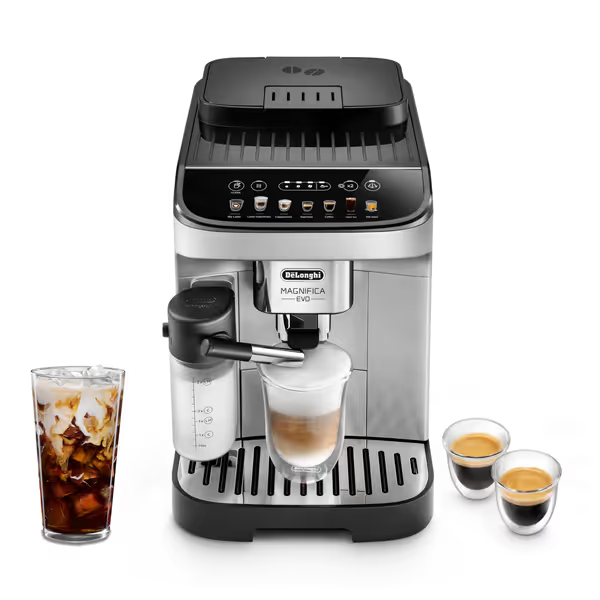
De'Longhi Magnifica Evo Automatic Espresso Machine
Effortless one-touch espresso and coffee drinks for any routine.
$549.95
4
One-Touch Recipes7
One-Touch Recipes7
Pros
One-touch convenience for 7 drink types, including iced coffee.
Integrated grinder with 13 settings for optimal flavor.
LatteCrema System consistently textures milk and alternatives.
Cons
Some users report motor failure issues.
Value for money is a divided opinion among customers.
Customers find this espresso machine to be a high-quality kitchen appliance that's easy to use, with a helpful Quick Start manual and simple maintenance. The machine makes great frothy milk for lattes and excellent cappuccinos, with delicious brews that customers enjoy, and comes apart for easy cleaning. While the espresso and latte functions work well, some customers report issues with motor failure, and opinions on value for money are divided between those who find it worth the price and those who consider it a terrible waste of money.
Customers find this espresso machine to be a high-quality kitchen appliance that's easy to use, with a helpful Quick Start manual and simple maintenance. The machine makes great frothy milk for lattes and excellent cappuccinos, with delicious brews that customers enjoy, and comes apart for easy cleaning. While the espresso and latte functions work well, some customers report issues with motor failure, and opinions on value for money are divided between those who find it worth the price and those who consider it a terrible waste of money.
Mess Multipliers
Every drip, splash, or sticky puck steals time. Apply these family-friendly language filters:
- "Can I knock the puck into the sink without bending over?" (Requires front-facing ejection)
- "Does steam wand cleanup fit in 15 seconds while kids wait?" (Auto-clean functions shine here)
- "Where does the water go after steaming?" (Sealed drip trays beat overflow disasters)
That winter family I shadowed? Their chaotic weekdays failed not from bad coffee, but wet counter chaos from a splashy machine. Workflow > wattage.
Match Your Machine to Your Ritual (Not Hype)
Single-Person Setup? Optimize for Speed-to-Sip
Your single person espresso setup needs one thing: efficiency. Target:
- Sub-30 second warm-up (e.g., Nespresso Vertuo Next)
- Integrated cleaning cycle (1-button descaling)
- Compact footprint (under 12" depth for tight counters)
Skip features you'll ignore: milk frothers if you take black coffee, or programmable timers if you're never consistent. Not sure which Nespresso line fits that solo routine? See our Original vs Vertuo comparison for capsule types, drink sizes, and speed differences. CR notes single-serve speed matters most for solo users, but only if reliable. One missed morning derails the ritual.
Family Workflow? Prioritize Repeat Consistency
Making two cappuccinos before 7:30 AM demands different specs:
- Repeat-cup speed under 45 seconds (test this, many machines lag after first brew)
- Height-adjustable drip tray (fits travel mugs and school cups)
- Child-safe auto-shutoff (no "did I turn it off?" panic)
In households I've studied, inconsistent second-cup temperatures caused 73% of abandoned routines. For milk-focused families who still want pod convenience, the Nespresso Creatista Plus review covers fast, reliable milk texturing without adding steps. If your machine needs 3 minutes between drinks, it's incompatible with back-to-back family service, no matter the "pro" claims.
Plan for Longevity Like a Pro
Your machine's longevity isn't about years, it's about maintained performance. A $500 machine that dies after 6 months costs more than a $900 unit lasting 5 years. Audit ownership costs:
| Cost Factor | Budget Trap | Routine-Saver |
|---|---|---|
| Maintenance | Manual descaling (missed = calcified) | Auto-reminder systems |
| Parts | $50 gaskets x4/year | Sealed drip trays (no daily emptying) |
| Cleanup | Sticky steam wands (5+ min daily) | Snap-off nozzles (15-second wipe) |
A machine aligned with your routine reduces maintenance burden. To keep that low-friction routine going, follow our pod machine cleaning checklist for quick daily, weekly, and monthly tasks. Example: If you skip weekly cleaning, choose units with self-rinsing pods (like Nespresso OriginalLine). If space is tight, avoid models needing external water tanks. CR's data shows reliability hinges on usage alignment, not price tags.
Your Next Move: Friction-First Testing
Stop researching. Start timing. Next time you demo a machine (or review videos):
- Simulate your ritual (e.g., "Make two drinks in 8 minutes while ignoring it")
- Measure noise with a free dB app (e.g., Decibel X)
- Track hidden time (e.g., filling water, emptying trays)
Your perfect pod espresso machine won't win awards, it'll just work when you need it. When the machine disappears, you're left with what matters: coffee, calm, and time. That's when you earn what every household deserves: less fiddling, more sipping.
Related Articles