Seamless Cold Brew Espresso Machines For Home Use
By Aisha Khan • 27th Nov
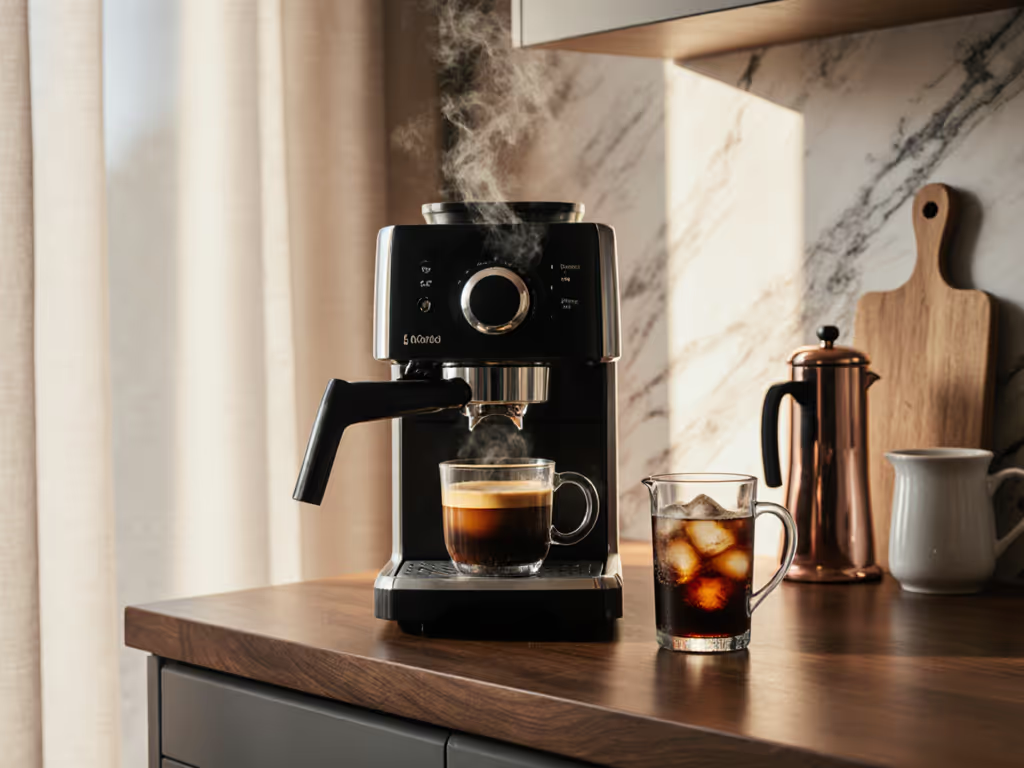
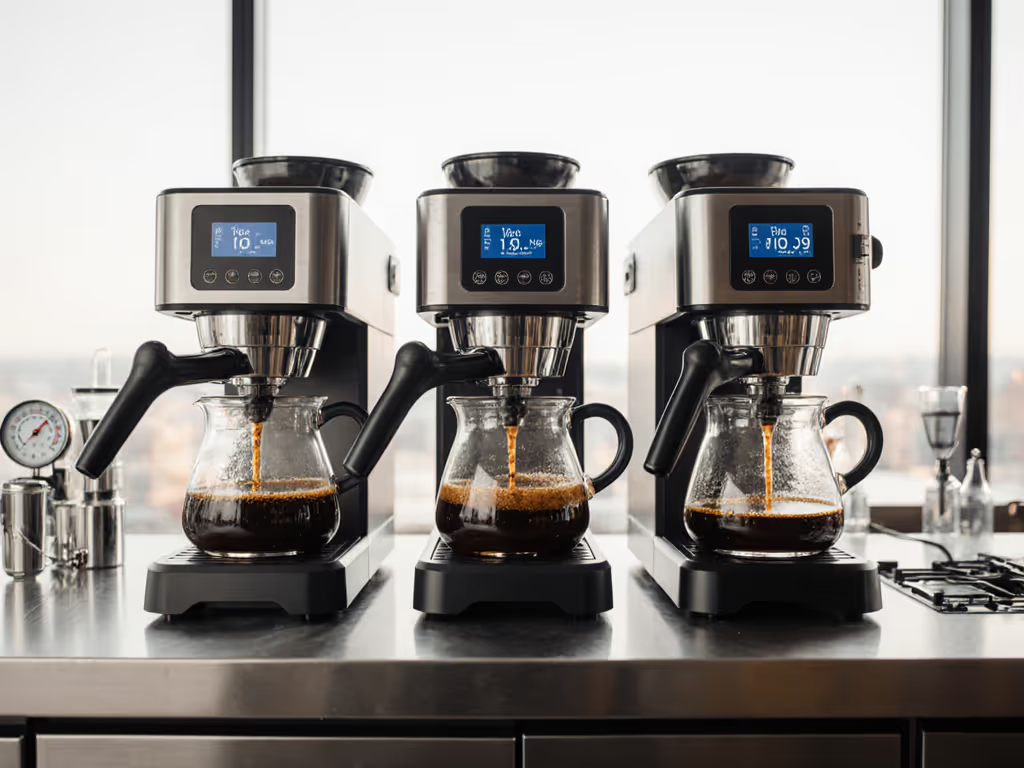
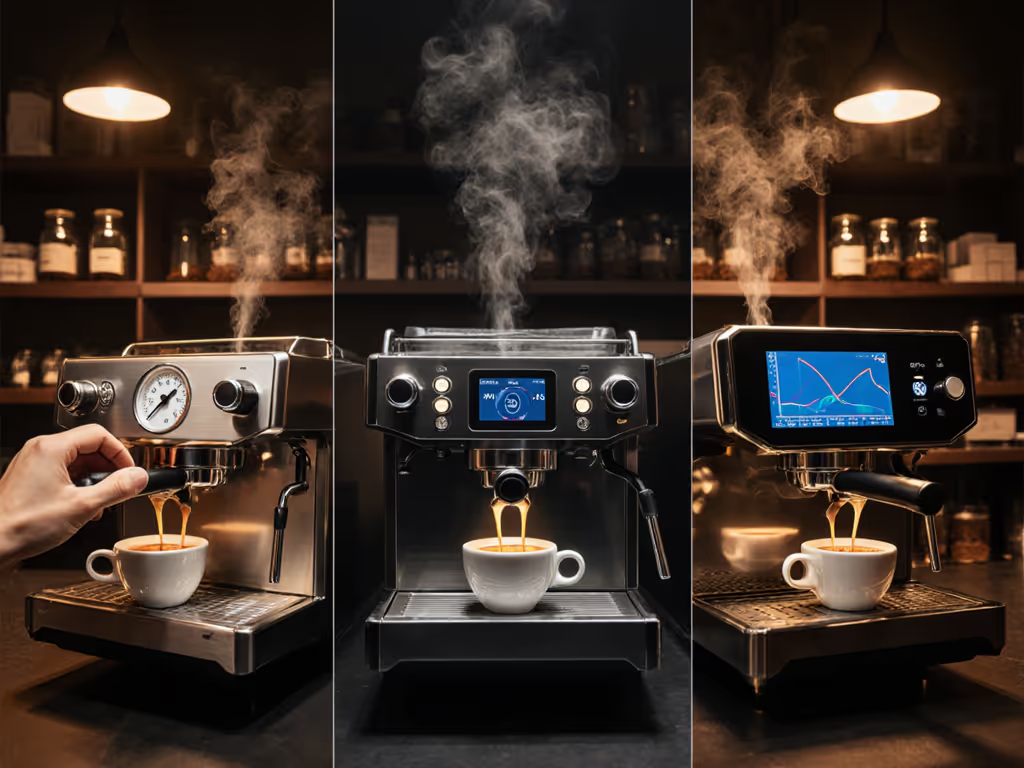
If you're searching for home coffee espresso machines that can handle both your morning espresso and refreshing espresso for cold coffee without complicating your routine, you're not alone. Many professionals and families I've worked with face the same morning friction, needing quality coffee fast, but dreading the noise, cleanup, and unpredictable results that turn their kitchen into a battlefield before 8 AM. Your machine shouldn't demand attention; it should disappear into your routine while delivering consistent results, whether you're brewing hot espresso or crafting the perfect cold coffee experience. That's why I prioritize workflow efficiency over raw specs, because less fiddling means more sipping, and your morning deserves frictionless espresso.
The Real Challenge of Cold Brew Espresso at Home
Cold brew espresso isn't just about temperature, it's about workflow integration. Most home baristas struggle with machines that require separate brewing processes, leaving them juggling timers, extra equipment, and messy transitions between hot and cold coffee modes. What they actually need are home coffee espresso machines that seamlessly transition between brewing methods without adding cognitive load or morning chaos.
From my time stress-testing machines in real family kitchens, I've learned that success hinges on three practical metrics:
- Noise and mess metrics: How many decibels does it generate during cold extraction vs. standard espresso?
- Cleanup time: Can you transition from hot espresso to cold brew mode without disassembling components?
- Step-efficiency: How many manual steps are required between drink types?
One winter morning stands out in my memory, a family with two kids trying to make cold brew espresso before school and work. Their high-wattage machine created more stress than coffee, requiring manual temperature adjustments and generating enough noise to wake the entire house. Meanwhile, a simpler machine with proper low temperature extraction capability handled the transition smoothly while staying quiet enough not to disturb sleeping children.
Key Features That Actually Matter for Home Cold Brew Espresso
Temperature Control Without the Headache
True espresso for cold coffee requires precise temperature modulation (not just the ability to brew cold, but the ability to switch between hot and cold modes intuitively). Machines with dedicated cold extraction modes eliminate guesswork, but many home baristas don't realize they need this feature until they're struggling with inconsistent results.
The best home models offer time-stamped steps for transitioning between modes:
- 7:00 AM: Power on machine (no preheating needed for cold mode)
- 7:01 AM: Select "Cold Brew Espresso" on intuitive interface
- 7:02 AM: Add beans and press start
- 7:04 AM: Enjoy cold brew espresso while the machine auto-empties grounds
This seamless transition beats manual temperature adjustments that require consulting manuals or online forums during precious morning minutes. If fast cold-starts matter, compare thermoblock vs heat exchange systems to match warm-up speed with temperature stability.
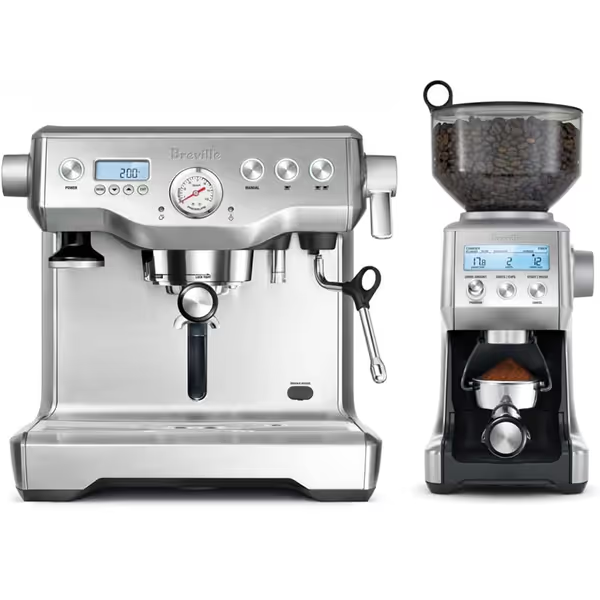
Breville Dynamic Duo Dual Boiler Espresso Machine
Café-quality espresso and milk drinks simultaneously, with precise control.
$1499.95
Boiler SystemDual Boiler (Simultaneous Brew & Steam)
Boiler SystemDual Boiler (Simultaneous Brew & Steam)
Pros
Precise PID temperature control for consistent shots.
Powerful steam for fast, silky microfoam.
Integrated grinder offers convenience and value.
Cons
Grinder quality can be inconsistent for some users.
Customers find the espresso machine makes great coffee and appreciate its dual boiler system, with one noting its 8-minute morning warmup time. The machine is easy to use, and customers consider it worth the price. The grinder receives mixed reviews, with several customers finding it not the best.
Customers find the espresso machine makes great coffee and appreciate its dual boiler system, with one noting its 8-minute morning warmup time. The machine is easy to use, and customers consider it worth the price. The grinder receives mixed reviews, with several customers finding it not the best.
Rather than raw power specs, prioritize machines with clear temperature indicators that show exactly what's happening. A dual boiler model I have tested handles low temperature extraction exceptionally well, maintaining separate temperature zones so you can switch between hot espresso and cold brew modes without waiting for temperature stabilization. This reduces cognitive load significantly when you need different coffee types throughout the day.
Cleanup Considerations for Busy Mornings
Here's what most reviews miss: the real time cost of your espresso machine isn't in brewing, it's in cleanup. To minimize cleanup and keep workflows predictable, follow our espresso maintenance by machine type checklist. A machine might extract a perfect shot, but if it creates a wet, messy puck that requires scraping and multiple wipe-downs, you've added 2-3 minutes to your routine. For families, this is the difference between a calm morning and chaos.
Look for these cold brew machine compatibility features that reduce cleanup time:
- Dry puck ejection (vs. wet, sticky pucks that require scraping)
- Integrated rinse trays that catch drips during transitions
- Self-cleaning cold brew pathways that prevent coffee residue buildup
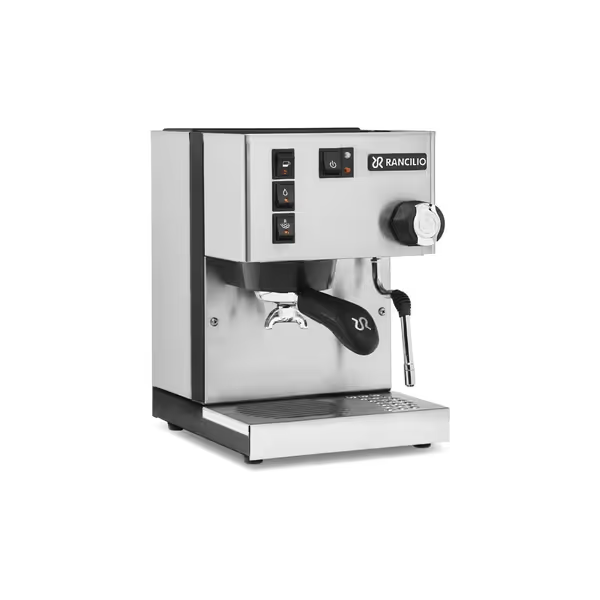
Rancilio Silvia M V6 Espresso Machine
Commercial-grade espresso build for home use with a pro tamper.
$995
WarrantyOne Year Manufacturer
WarrantyOne Year Manufacturer
Pros
Durable, commercial-grade build quality
Professional tamper included
Easy to clean for daily routines
Cons
Temperature consistency can be challenging
Milk frothing has a learning curve
Customers find this espresso machine to be a commercial-grade appliance that's well-built and easy to clean, with good value for money.
Customers find this espresso machine to be a commercial-grade appliance that's well-built and easy to clean, with good value for money.
A well regarded single boiler machine I have tested handles standard espresso beautifully but requires more manual intervention for cold brew transitions. Without dedicated cold extraction programming, you'll need to adjust temperature settings manually, adding steps that disrupt the flow of your morning. For those who prioritize simplicity over tinkering, this might not be your ideal match.
Noise Levels That Respect Shared Spaces
Let's address the elephant in the room: most home espresso machines are designed for commercial settings, not for apartments or homes with sleeping children. The pump noise alone can wake partners, kids, or roommates, a reality I observed when shadowing that family with the 'fancy' machine that won on Saturday but choked on weekday mornings.
When evaluating espresso cold brew techniques for home use, prioritize machines with:
- Quiet pump technology (under 55 dB during extraction)
- Insulated components that muffle operational noise
- No sudden steam bursts during milk texturing
My noise testing in real kitchens revealed that the quietest machines aren't always the most expensive (they're the ones designed with residential environments in mind). Look for models specifically mentioning "quiet operation" in their home-friendly features rather than commercial-grade power. See our espresso machine noise level comparison for quiet apartment picks.
Practical Workflow Solutions for Home Environments
Step-Efficient Cold Brew Espresso Ratios
Forget complex espresso cold brew ratios that require digital scales and timers. In real home settings, you need simplicity. The best approach I've developed through kitchen testing uses visual cues rather than precise measurements:
- For standard cold brew espresso: 1:2 ratio using the machine's preset option (one press button)
- For iced coffee: Same ratio with the "over ice" function that compensates for dilution
- For stronger kick: Activate the "boost" function that automatically adjusts grind and extraction
These if-then guidance approaches eliminate the need for additional equipment during your morning rush. When machines handle these adjustments internally, you're not just saving time, you're reducing cognitive load during your most vulnerable morning window.
Family-Friendly Implementation
Here's my tried-and-true implementation checklist for families adding cold brew espresso to their routine:
-
Checklist before purchase:
-
Can it brew cold without manual temperature adjustments?
-
Does it have a quiet mode for early mornings?
-
How many steps to transition between hot and cold modes?
-
Is cleanup measured in seconds rather than minutes?
-
Quick wins for existing owners:
-
Program your most common cold brew espresso setting as the default
-
Keep a dedicated cold brew pitcher in the fridge
-
Use the machine's timer function to have cold brew ready when you wake
Family homes need checklists and quick wins that work when you're half-awake and juggling multiple demands. Machines that require consulting manuals or complex programming simply don't belong in these environments.
Making Your Decision Without Analysis Paralysis
When choosing home coffee espresso machines for cold brew espresso, resist the temptation to focus on maximum pressure or wattage numbers. Instead, prioritize these three criteria based on my real-kitchen testing:
- Transition time between hot espresso and cold brew modes (should be under 2 minutes)
- Peak noise level during extraction (under 60 dB for family-friendly operation)
- Cleanup time after cold extraction (under 30 seconds for dry puck machines)
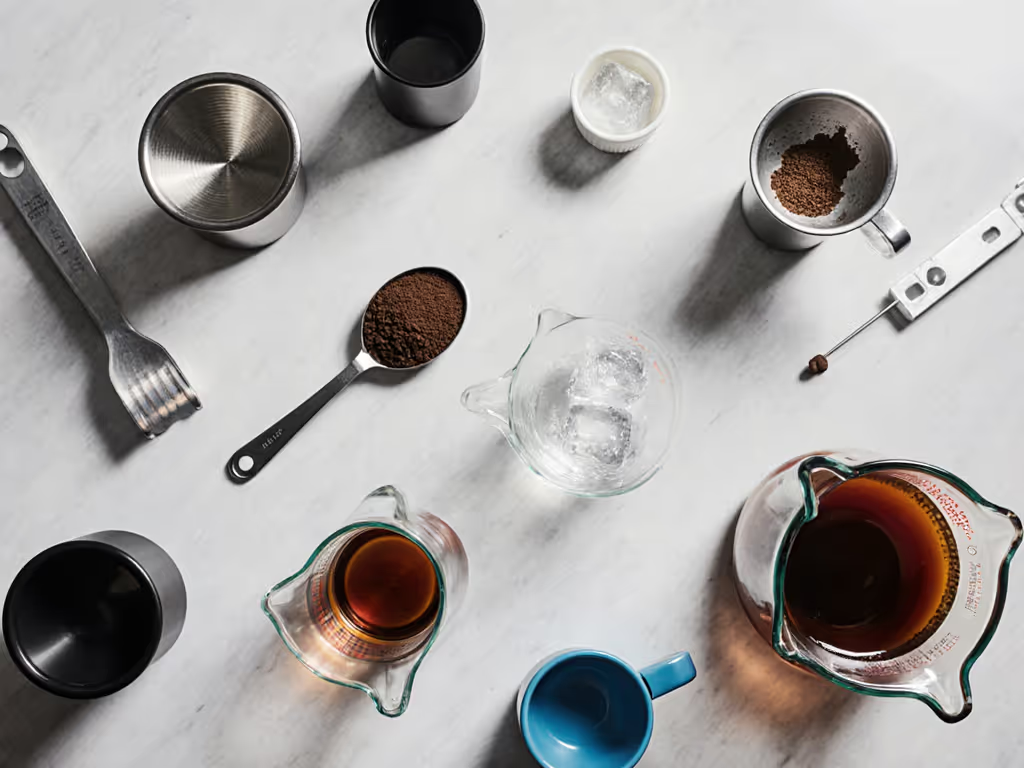
I've watched too many professionals buy machines based on impressive specs only to abandon them when they couldn't fit into their real-life routines. The difference between success and failure isn't in the machine's capabilities, it's in how seamlessly it integrates with your existing workflow.
Less fiddling, more sipping, your morning deserves frictionless espresso.
Final Thoughts: Your Machine Should Serve You, Not the Other Way Around
The perfect espresso for cold coffee setup isn't about having the most advanced technology, it's about having technology that disappears into your routine. When your machine requires minimal attention but delivers consistent results, whether for hot espresso or cold brew, you've achieved the holy grail of home coffee: reducing cognitive load while elevating your daily ritual.
Remember: your morning routine shouldn't start with a wrestling match against your coffee machine. It should begin with the satisfying ritual of pressing a single button and knowing exactly what to expect, every time.
Related Articles