
Coffee Machine Cleaning Science: Fix Maintenance Confusion
By Luca Moretti • 7th Feb
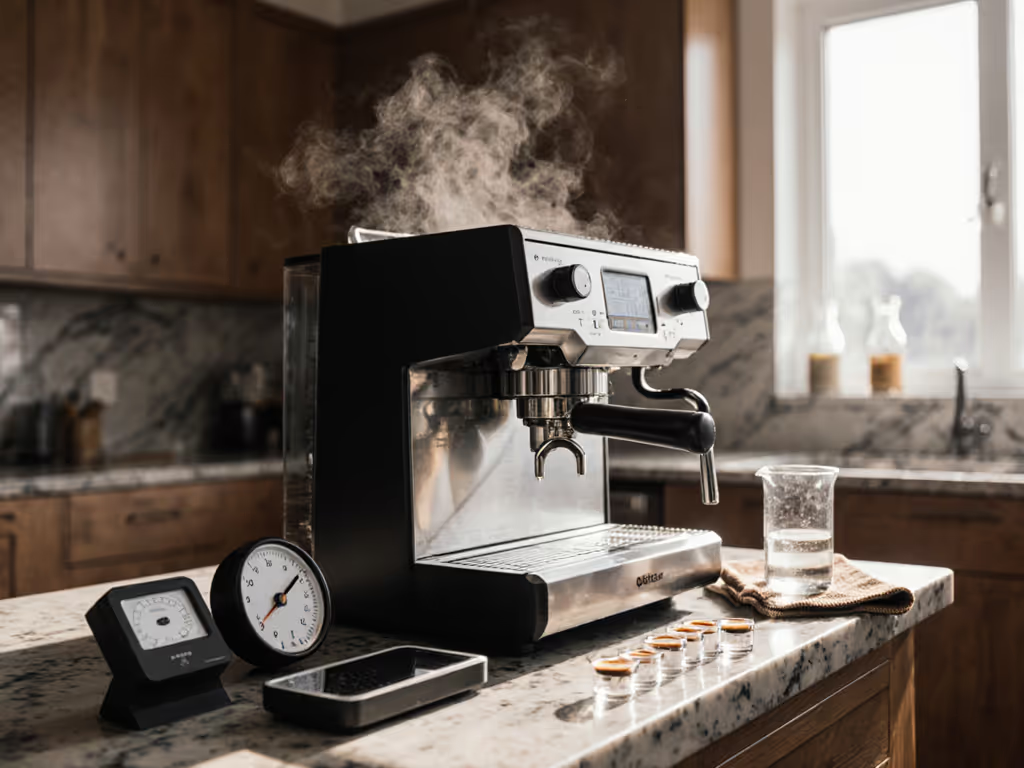
Let's talk about cleaning a coffee machine without drowning in technical jargon. For most home baristas I've trained, maintenance confusion isn't just annoying, it actively undermines confidence in their daily ritual. The maintenance fundamentals I've refined through years of coaching reveal a simple truth: consistent cleaning isn't about perfection, but about creating bounded, repeatable routines that lock in flavor quality. When you approach cleaning with structured protocols rather than overwhelming checklists, you're not just preserving your machine, you're protecting the taste confidence that makes your morning ritual meaningful. If off-flavors persist after cleaning, use our espresso troubleshooting guide to diagnose sour or bitter shots.
1. Simplify Your Daily Maintenance Routines
Start with the absolute basics you can complete in under 90 seconds (your sensory anchors for freshness). Every evening after your last shot:
- Purge and wipe the steam wand immediately after use (no waiting!)
- Run a blank shot through the group head to clear residual oils
- Knock out pucks and rinse the portafilter basket
- Wipe the drip tray with a damp microfiber cloth
These four steps form your daily maintenance routine that prevents 80% of common flavor issues. For machine-specific checklists, follow our maintenance by machine type protocols. I've watched countless home baristas transform their taste consistency simply by implementing this bounded routine (not because they're cleaning more thoroughly, but because they're cleaning predictably). The secret? Treat these as non-negotiable checkpoints like stirring your milk or timing your shot. When variables decrease, flavor clarity increases.
2. Master Group Head Cleaning Protocols That Actually Work
Weekly group head cleaning shouldn't feel like surgery. Forget complicated disassembly, and focus on this repeatable protocol:
- Insert a blind filter basket into your portafilter
- Add 1 teaspoon of espresso machine cleaner
- Lock in and run 10-second pulses 5 times (like gentle backflushing)
- Remove portafilter and rinse thoroughly
- Run 2-3 blank shots to flush cleaner residue
This approach leverages the backflushing science most manufacturers design around, but without the intimidating terminology. The pulses create just enough pressure to dislodge coffee fines without straining components (a calibrated middle ground home users actually implement). Notice how we're using precise time intervals rather than vague "until clean" instructions? That's deliberate. Unclear endpoints breed inconsistency; bounded actions build confidence.
Constraints create confidence; repeatability breeds better taste. When you know exactly how long to run those pulses, you eliminate doubt about whether you've cleaned thoroughly enough.
3. Decode Descaling Chemistry for Your Water Conditions
Hard water doesn't require a chemistry degree (just smart adaptation). Most descaling confusion stems from one mistake: treating all water the same. Instead:
- Test your water hardness (free strips from local hardware stores)
- Match descaling frequency to results:
- Soft water: Every 6 months
- Medium: Every 3 months
- Hard: Monthly
- Use citric acid-based solutions (gentler than vinegar on seals) If your water is hard year-round, consider machines with built-in filtration to reduce descaling frequency.
The descaling chemistry becomes simple when you understand it's about dissolving mineral crystals without attacking machine components. Think of it like removing tartar from teeth (gentle but thorough). I provide home baristas with a simple water hardness card that turns this "expert" task into a three-option decision. No more guessing whether your machine needs descaling (you'll know based on measurable parameters).
4. Transform Backflushing from Chore to Confidence Builder
Home baristas overcomplicate backflushing science. The truth? Effective backflushing isn't about pressure or duration: it's about rhythm. Here's the method I teach:
- Friday evenings: Insert blind basket with cleaning detergent
- Run 8-second intervals (yes, time it!) with 10-second rests
- Repeat until water runs clear (rarely more than 5 cycles)
- Finish with 3 blank shots using regular coffee
Notice how specific this is? 8 seconds, not "a few." 10 seconds rest, not "a little while." These precise intervals create sensory anchors that prevent over-cleaning (which damages seals) or under-cleaning (which leaves residue). When I first started coaching, I carried a laminated card with these exact timings (no philosophy, just numbers). Next morning, my students brewed identical shots because they hadn't just cleaned their machine; they'd locked the parameters that affect taste.
5. Build Your Personal Maintenance Calendar
The ultimate maintenance success comes from your rhythm, not a manufacturer's ideal schedule. Create a custom calendar using these steps:
- Track your weekly shot count (30 shots = moderate use)
- Set phone reminders tied to actual usage: "After 20 shots, clean group head" Taking a break for a few weeks? Follow our vacation mode shutdown guide to prevent mold and scale while you're away.
- Pair maintenance with existing habits: "After Sunday paper, descale if needed"
This approach transforms abstract maintenance fundamentals into personal routines that stick. I've seen home baristas maintain machines for 5+ years with this method, because they're not following a rigid schedule, they're following their own behavioral patterns. The magic happens when cleaning becomes as automatic as filling your water reservoir.
Lock It In, Relax Into Ritual
Cleaning your coffee machine shouldn't feel like deciphering a manual, it should feel like part of your sensory journey toward better taste. By implementing these bounded options and defaults, you're not just maintaining equipment; you're protecting the flavor consistency that makes your morning ritual worth savoring. Remember that moment when you finally served a cappuccino that matched your favorite cafe? That's the confidence that comes from knowing exactly what your machine needs, when it needs it.
When maintenance confusion fades, taste clarity emerges. You'll stop questioning whether residue affects your shot and start tasting the actual coffee (sweet, balanced, and consistently yours). The most beautiful part? This isn't about achieving perfection. It's about creating a routine so dependable that you can lock the recipe, enjoy the routine, and trust that tomorrow's cup will be just as good as today's. That's not just machine maintenance (it's peace of mind, one clean shot at a time).
Related Articles