Espresso Extraction Chemistry: Dialing In Flavor
By Kenji Tanaka • 23rd Mar
You pull a shot. It tastes flat and sour. Tomorrow, same beans, same machine - it's bitter and thin. The problem isn't the coffee or the machine. It's extraction chemistry: the hidden dance between pressure, temperature, grind size, and time that determines whether you taste bright fruit or harsh char. Espresso extraction chemistry is precise, unforgiving, and learnable. Understand it, and you fix the workflow bottleneck; longevity follows with fewer surprises.
What Happens Inside the Puck? The Three-Phase Extraction Sequence
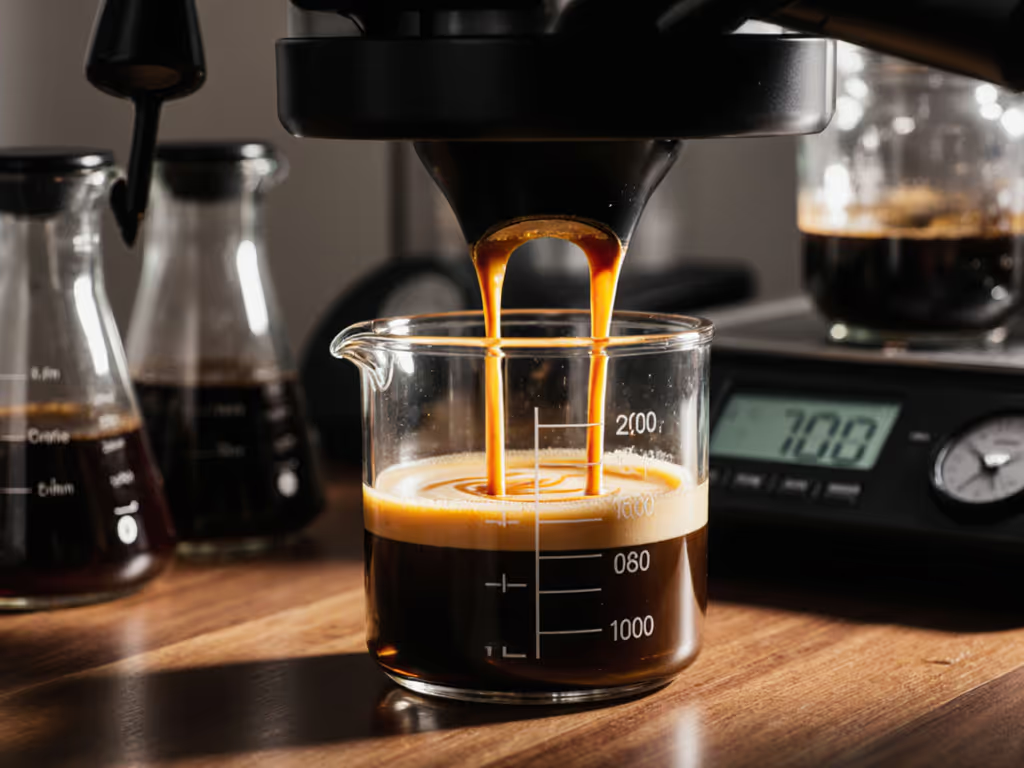
When pressurized water contacts compacted coffee grounds, extraction doesn't happen all at once. It follows a predictable chemical sequence - one that takes only 25-35 seconds, yet it controls everything in the cup.
Early Extraction: Acids and Bright Flavors (First 5-10 Seconds)
The most soluble compounds dissolve first. These are organic acids - citric, malic, chlorogenic - along with mineral salts and volatile aromatics. Crema begins forming. The first drops are dark and syrupy. If your shot ends here (too coarse a grind, low dose, or fast flow), you taste sourness. Acidity dominates because sugars and oils never had time to dissolve.
This is under-extraction: sharp, thin, unfulfilling. If you're tasting consistent sourness or bitterness, use our espresso troubleshooting guide to pinpoint the cause.
Middle Extraction: Sweetness and Body (10-25 Seconds)
As extraction continues, less soluble compounds emerge: sugars, caffeine, and pleasant bitter notes that add balance and depth. The puck becomes wetter and resistance drops. Flow rate increases. This is the sweet spot - literally. The espresso tastes complete: bright acids balanced by sweetness, with a rich, oily body coating the palate.
This window is narrow and non-negotiable.
Late Extraction: Astringency and Harsh Bitterness (25-35+ Seconds)
If water keeps flowing, tannins and unpleasant bitter compounds overpower the cup. Temperature stability matters here - even a 2-3°C fluctuation can tip the balance. Over-extraction tastes bitter, dusty, and exhausting on the finish.
Predictable maintenance beats panic: if you know the phases, you diagnose problems instead of guessing.
Why Does Pressure Matter So Much?
Espresso is not just "very strong coffee". Pressure - typically around 9 bars (roughly nine times normal atmospheric pressure) - fundamentally changes how water behaves as a solvent.
Under high pressure, water penetrates coffee particles more aggressively and rapidly. Soluble compounds that would take minutes to dissolve in a pour-over extract in seconds. More importantly, pressure forces emulsification: coffee oils suspend in the liquid instead of separating. These lipids create espresso's signature syrupy mouthfeel, dense body, and rich texture - qualities impossible with gravity alone.
Without pressure, you cannot make espresso. With unstable pressure, you invite channeling: water finds weak points in the puck and blasts through uneven paths, producing shots that are simultaneously sour and bitter. For advanced control of pressure and flavor, explore pressure profiling techniques and compatible machines.
Grind Size: The Microscopic Control Lever
Finer grinds dramatically increase surface area, exposing soluble compounds to water faster. A fine grind is essential because the extraction window is only 25-35 seconds. Without it, water rushes through, pulling acids but leaving sweetness and body behind.
But finer also means higher resistance. This is where espresso becomes unforgiving. A grind even slightly too fine causes stalled flow, uneven pressure buildup, and bitter over-extraction. A grind slightly too coarse allows water to blast through, delivering under-extraction before sugars and oils dissolve.
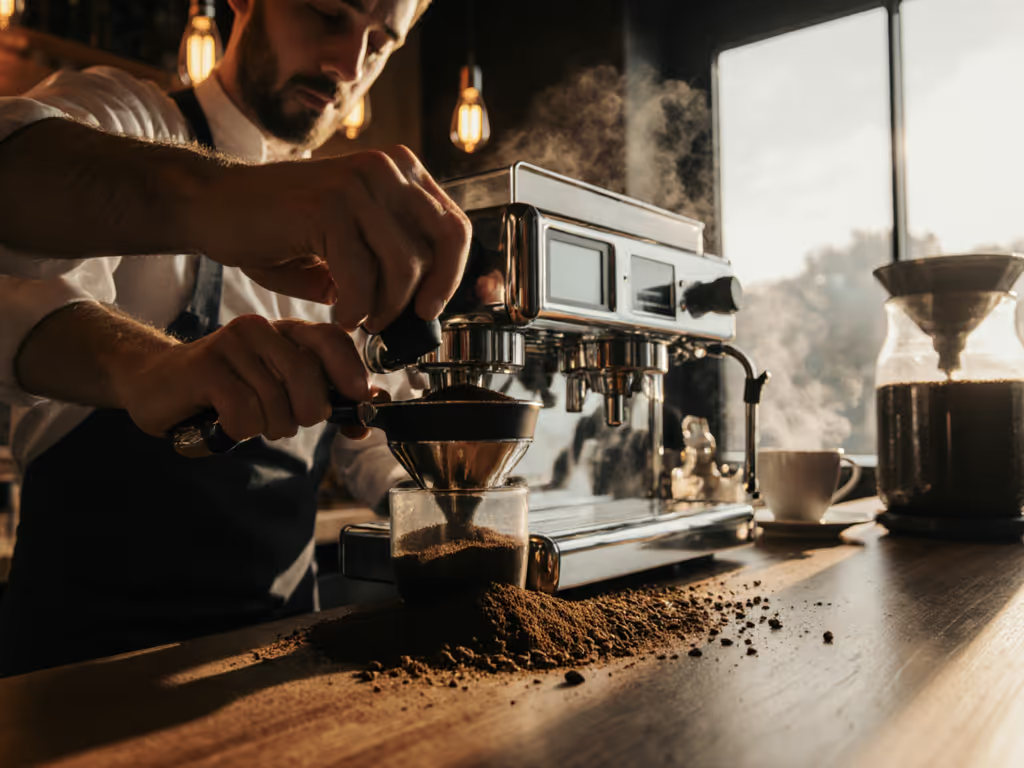
This is why espresso chemical reactions are sensitive to microscopic grind shifts - not incremental changes. Half a gram of coffee or a few microns in grind size can dramatically alter the outcome. Your grinder is your primary diagnostic tool. If shots are consistently sour, the grind is likely too coarse. If consistently bitter, too fine.
Handle grind adjustments methodically: document each change, pull one shot, taste, then adjust again. One small shift at a time.
Temperature: The Solubility Accelerator
Temperature controls how fast and which compounds dissolve. Hotter water extracts faster and increases solubility. Most espresso machines hold brew temperatures between 90-96°C (190-204°F).
Too hot and bitterness dominates. Too cool and acidity remains sharp and undeveloped. For most espresso, aim for 92-96°C as your baseline. Light roasts tolerate slightly cooler temps; dark roasts slightly warmer. Temperature stability is crucial - fluctuations of even 2-3°C produce noticeable flavor changes.
If your machine has manual temperature control, let it stabilize for 10-15 minutes after warm-up. If it has a grouphead thermometer, check it before each shot. Consistency here directly controls whether flavor development in espresso is predictable or erratic.
The Four Variables You Control
Every espresso you pull is shaped by four levers. Master them in this order: Then follow our step-by-step dial-in espresso guide to apply these variables with repeatable results.
1. Grind Size - Adjust first. It's the fastest diagnostic. Taste sour? Grind finer. Bitter? Grind coarser.
2. Dose - The amount of coffee in the basket. More dose = more resistance; less dose = faster flow. Typically 18-20 g for a double basket. Your basket size determines the range.
3. Tamp Pressure - Even distribution matters more than absolute pressure. Aim for consistent, level tamping. Uneven tamping causes channeling.
4. Shot Time - The result of the above three. Aim for 25-35 seconds from the first liquid to the last drop. If too fast, adjust grind or dose. If too slow, same levers.
Temperature (controlled by the machine) and pressure (9 bars, fixed on most machines) are constants you check, not dial daily.
How Do Roast Profiles Affect Extraction?
Roast level changes solubility. Light roasts are denser and require slightly cooler water (90-92°C) and longer extraction times; they're more acidic by nature. Dark roasts extract faster and tolerate hotter water (94-96°C); they're naturally less acidic.
Within the same roast, caramelization in espresso (and the Maillard reaction compounds it creates) influences bitterness thresholds. Darker roasts have more caramelized compounds, so they taste less bitter even at similar extraction levels. Light roasts need more precision to avoid harsh sourness.
Don't chase a recipe. Observe your beans, your water, and your machine's thermal lag. Optimizing your espresso water improves flavor and protects your machine. A neighbor's dialed-in espresso machine and setting rarely transfers directly to yours.
What Does Over-Extraction Actually Taste Like?
Over-extracted espresso tastes bitter, dry, and exhausting on the finish. The aftertaste is harsh, sometimes astringent. It feels flat, despite thick body. Crema is very dark, almost black.
Under-extracted espresso tastes sour, thin, and bright but unbalanced. Crema is lighter, often thin or absent. It tastes like hot, bitter water rushed through the puck.
Balanced espresso tastes sweet, complex, and rich. Acids and bitterness coexist without either dominating. The finish is clean, not lingering harshly.
A Practical Diagnostic Workflow
- Pull a shot. Time it from first liquid to last drop. Taste it.
- If too sour: Grind finer, or increase dose, or extend time slightly.
- If too bitter: Grind coarser, or reduce dose, or shorten time.
- If too fast (under 20 seconds): Grind finer or increase dose. Check tamp evenness.
- If too slow (over 35 seconds): Grind coarser or reduce dose.
- Document. Grind setting, dose in grams, shot time, temperature (if visible), taste notes.
- Adjust one variable at a time. Pull another shot. Compare.
This is not glamorous. It's diagnostic. It works.
Next Steps: Taking Control
Extraction chemistry is intimidating only because it seems invisible. It isn't. The sequence is predictable: acids first, then sugars and oils, then harsh bitterness. The variables are limited: grind, dose, tamp, time, temperature. Every sour or bitter shot is a message - your machine is telling you what to adjust.
Start here: pull one shot today, time it, document the grind setting and dose, and taste it carefully. Notice whether it's sour, bitter, or balanced. Tomorrow, adjust one variable - grind, dose, or time - pull another shot, and compare. You'll calibrate faster than you expect.
The goal isn't perfection. It's predictability. Once you understand extraction flavor profile and how your machine's temperature and pressure shape it, dialing in stops being chaotic. It becomes a simple, repeatable ritual. Consistency follows. Café-quality espresso at home isn't luck - it's chemistry you can control, with tools you already own and a repeatable workflow.
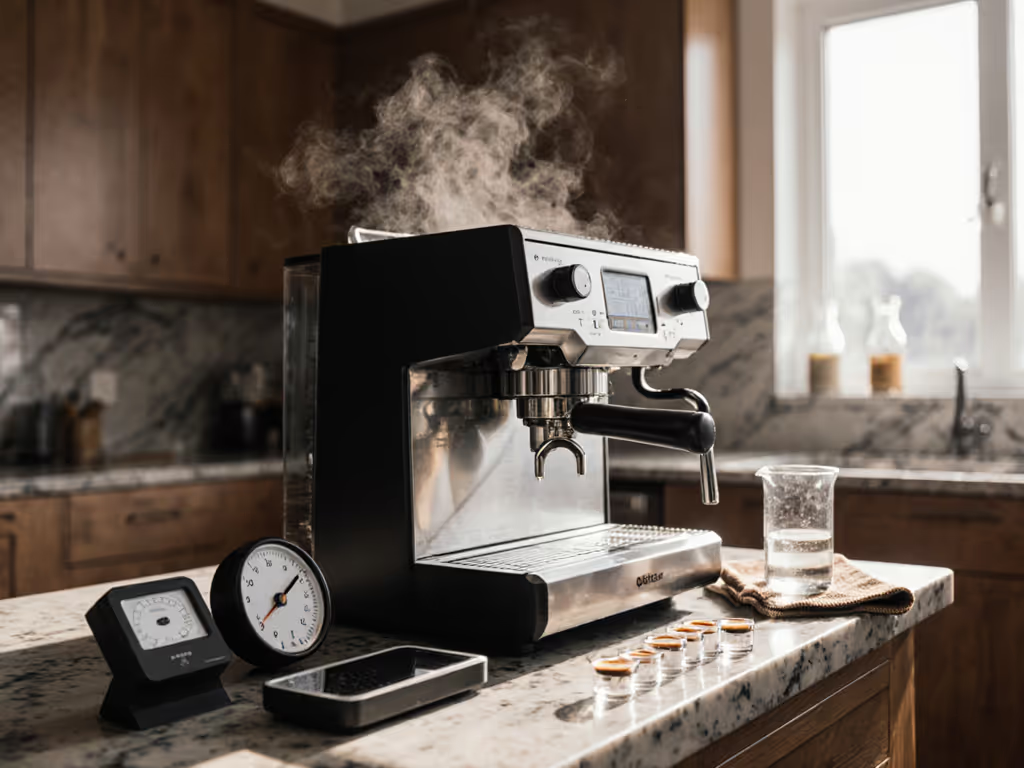
Start with grind. Master that, then dose. Temperature and pressure follow. Your kitchen table doesn't need special equipment; a scale, a timer, and clear notes are enough. The rest is observation.
Related Articles