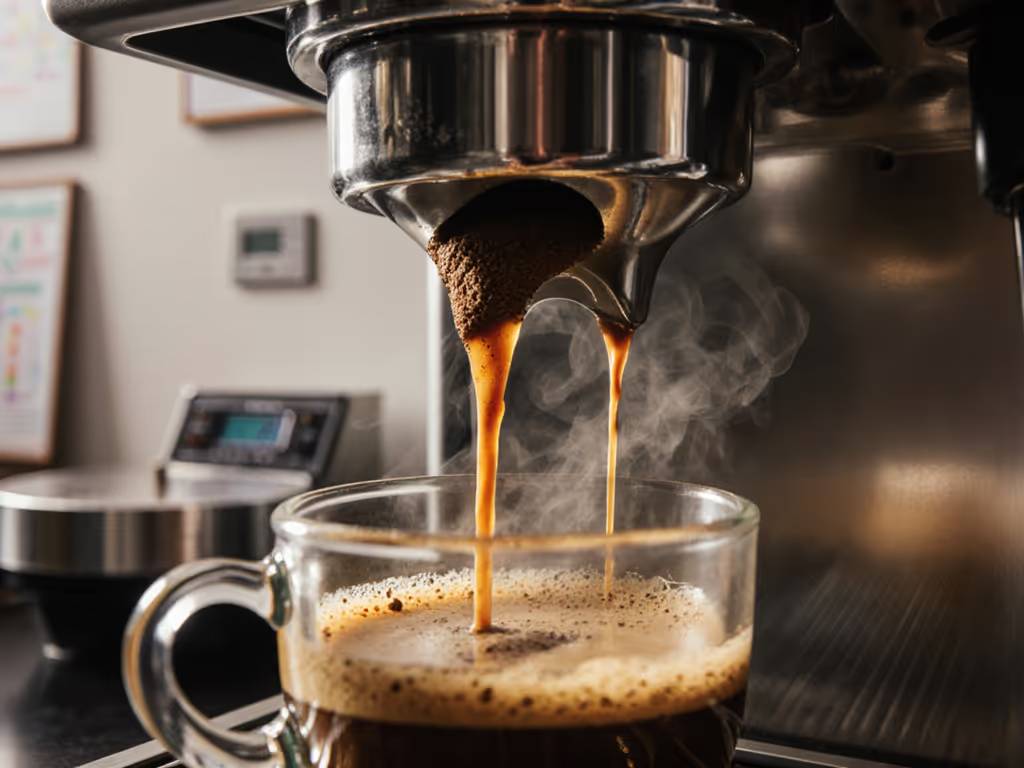
Prevent Espresso Oil Buildup: Early Signs & Simple Steps
By Aisha Khan • 10th May

Introduction
Espresso oil buildup prevention isn't glamorous, but it's the difference between a machine that tastes sharp on Monday and one that doesn't. Over weeks and months, residual coffee oils accumulate in your group head, basket, and internal pathways (a fact confirmed by countless conversations with home baristas who've noticed their shots turning bitter or channeling unexpectedly). The problem sneaks up quietly. But catching it early with simple coffee oil management practices means you'll spend less time troubleshooting and more time enjoying café-quality espresso at home.
I've watched families wrestle with sticky baskets at 6 a.m. or worse, discover sluggish lines midweek entertaining. The good news? Preventing and reversing oil buildup is mostly about rhythm and a few minutes of intentional maintenance. Once you build the habit, less fiddling, more sipping. Your morning deserves frictionless espresso.
Why Oil Buildup Silently Degrades Your Shots
When water pushes through ground coffee at 9 bars of pressure, it extracts lipids, oils that give espresso body and flavor. But not all of that oil extracts into your cup. Some sticks to your portafilter basket, group head, and internal gaskets, hardening as it cools. Over days and weeks, these thin layers compound.
The result? Rancid flavors, inconsistent pressure, poor puck seating, and a machine that demands extra troubleshooting before you've had coffee. The espresso cleaning chemistry involved is straightforward: oils are nonpolar; water alone can't dissolve them. You need a light solvent (either a mild alkaline cleaner or backflushing technique) to break the bond and restore your machine's performance.
Early Warning Signs: Catch It Before It Costs You
A well-maintained machine signals trouble subtly. Listen for it.
Visual & Tactile Cues
- Sticky or stained basket interior: When you knock out the puck, residue sticks rather than falls cleanly. The basket looks brownish despite recent use.
- Wet or oily group head: After flushing, water sits in droplets or films on the shower screen instead of running cleanly.
- Dark coffee oil rings inside the portafilter: Not just staining, a thick, dark ring that doesn't wipe away easily with a damp cloth.
Performance Clues
- Slower pour: The same grind and dose now pull a slower shot or refuse to pour at all. Oils can clog micro-pathways.
- Sour or bitter finish: Even a well-dialed shot tastes sharp or hollow, lacking the smoothness you expect.
- Inconsistent tamping feel: The puck resists pressure unevenly, or you hear hissing mid-pull as oil films break under pressure. If flavors are still off after cleaning, use our espresso troubleshooting guide to fix sour or bitter shots fast.
The 30-Second Test
Remove your basket and look inside with a phone light. Rub the basket or shower screen gently with your thumb. If it feels tacky or leaves a dark smudge, oil has accumulated. This is your signal to act.
Prevention: The Time-Stamped Daily & Weekly Routine
Building machine maintenance frequency into your morning routine isn't an extra chore (it's a boundary that keeps bigger problems out). For machine-specific schedules, see our maintenance by type guide.
Daily Flush (30 seconds)
Before your first shot:
- Load water, no basket. Insert the portafilter without a basket into the group head.
- Activate the pump for 3-5 seconds. Let water spray into your sink or drainage cup. This flushes loose residue and heats the group head uniformly.
- Stop and wipe the shower screen with a damp cloth. A quick, single pass removes surface oils and coffee dust.
- Tap dry on the edge of your sink. You're done.
If-then: If you pull two or more shots in a row, flush between shots (especially before switching from single to double baskets, which changes flow dynamics).
Weekly Deep Rinse (5 minutes)
Once per week (ideally midweek and after a heavier-use day):
- Backflush your group head (if your machine has a 3-way solenoid and a blind basket, no holes). Load the blind basket, engage the pump for 1 second, stop, release, repeat 5-8 times. This reverses water pressure, dislodging stuck oils.
- Soak your portafilter and basket in hot water with a pinch of mild espresso machine cleaning powder (the kind designed for group head cleaning, not dish soap). Let it sit for 3 minutes.
- Brush the basket interior with a soft nylon brush to loosen oils.
- Rinse thoroughly under hot running water until water runs clear and there's no soap residue.
- Dry completely with a lint-free cloth. Moisture left behind can cause rust or redeposit oils.
Monthly Chemical Clean (10 minutes)
Once a month, use a coffee oil solvent approach:
- Use a recommended espresso machine cleaning tablet at the dose printed on the package.
- Repeat the backflush cycle 10-12 times with the cleaning solution in the group head.
- Flush with 2-3 liters of fresh water afterward to remove all trace of cleaner.
- Run one blank shot (no coffee) through the clean basket to ensure no residue remains before brewing.
The Cleaning Process: Restore a Sluggish Machine
If you've noticed performance dip, here's how to reset:
Step 1: Empty & Inspect (2 minutes)
Remove your portafilter, basket, and shower screen from the group head. Lay them out on a clean cloth. Inspect each piece:
- Does the basket have hardened oil? Does it resist water spray?
- Is the group head gasket discolored or sticky?
- Are there dark deposits inside the portafilter body?
Step 2: Backflush & Soak (8 minutes)
- Load your blind basket and engage the pump in short 1-second pulses, 8-10 cycles.
- While that's happening, place your portafilter and basket in a mug of hot water mixed with cleaning powder. Let them soak.
- After backflushing, remove the shower screen and soak it alongside the basket for another 3 minutes.
Step 3: Brush & Rinse (5 minutes)
- Use a soft brush to gently clean the basket interior, shower screen holes, and portafilter body.
- Rinse every component under hot running water until the water runs completely clear.
- Pay special attention to the portafilter spout, where oils often pool.
Step 4: Reassemble & Test (3 minutes)
- Dry all components completely.
- Reinstall the shower screen, gasket, and basket.
- Run a test shot with just water (no coffee) to ensure no cleaning residue remains.
- Brew a single shot of espresso to confirm taste and pour speed have normalized.
If-Then Guidance: Quick Troubleshooting
| Symptom | If True | Then Try |
|---|---|---|
| Slow pour but clean basket appearance | Oil is deep inside group head | Monthly chemical clean + 2 backflush cycles |
| Bitter taste after cleaning | Cleaning residue remains | Flush 5 additional blank shots; check gasket for trapped powder |
| Sticky puck that resists knock-out | Basket oils are rancid | Weekly soak in hot water + brush; replace basket if over 2 years old |
| Group head gasket discolored | Oils have absorbed into rubber | Replace gasket (most machines have spares); this is normal wear |
Building It Into Your Rhythm
One winter, I shadowed a family's morning: two kids, one early meeting, eight minutes to leave. The parents owned a beautiful machine (powerful, sleek). But every weekday, it choked. The portafilter stuck. The basket felt tacky. Cleanup spiraled. Then they switched to a simpler model with a tidy puck knockout and a rinse routine built into their sequence. That one 90-second discipline (a quick daily flush and solid weekly rinse) erased the friction. The machine became part of their rhythm instead of a source of stress.
Oil buildup prevention is exactly that: a small, repeatable boundary that prevents costly weekday chaos. Your routine doesn't need to be complex. It needs to be yours and sustainable. When cleaning a coffee machine becomes automatic, your mornings flow.
Next Steps: Further Exploration
- Water quality matters: Hard water accelerates oil and mineral buildup. If you're in a high-mineral area, consider a simple water filter to extend maintenance intervals.
- Grinder-to-group synergy: Inconsistent grinds can increase channeling, which leaves oils unextracted. Pairing your machine with a quality burr grinder reduces cleanup demands.
- Gasket lifecycle: Most OEM gaskets last 12-18 months before they absorb oils and lose elasticity. Budgeting for replacement keeps the machine responsive.
- Cleaning agent chemistry: Not all espresso machine cleaners are equal. Research alkaline versus enzymatic options to see which your machine's manual recommends.
Your machine is a partner in your morning ritual. Prevent oil buildup with intention, and it will reward you with consistent, clean espresso, day after day, year after year.
Related Articles